

Conventional Fire Detection System: How It Works, Components and Zones
Table of Contents
Related Products

What Is a Conventional Fire Detection System?
A conventional fire detection system is a zone-based fire protection solution that divides a building into multiple detection zones. Each zone connects to a group of conventional detectors and manual call points, allowing the system to monitor different areas of the building.
When a detector or manual call point is activated, the fire alarm control panel identifies the corresponding zone and triggers the alarm. However, unlike an addressable fire alarm system, it does not identify the exact device that initiated the alarm. For buildings that require straightforward zone-based monitoring, conventional fire alarm solutions provide a practical approach to fire detection and alarm management.
How Does a Conventional Fire Detection System Work?
A conventional fire detection system works by monitoring multiple detection zones through connected smoke detectors, heat detectors, and manual call points.
01
Detect
Smoke, abnormal heat, or a manual activation is detected.
02
Signal
The zone circuit sends an alarm signal to the FACP, which identifies the affected zone.
03
Alert
Sounders and strobes warn people in the building and prompt evacuation.
Main Components of a Conventional Fire Detection System
Conventional Fire Alarm Control Panel
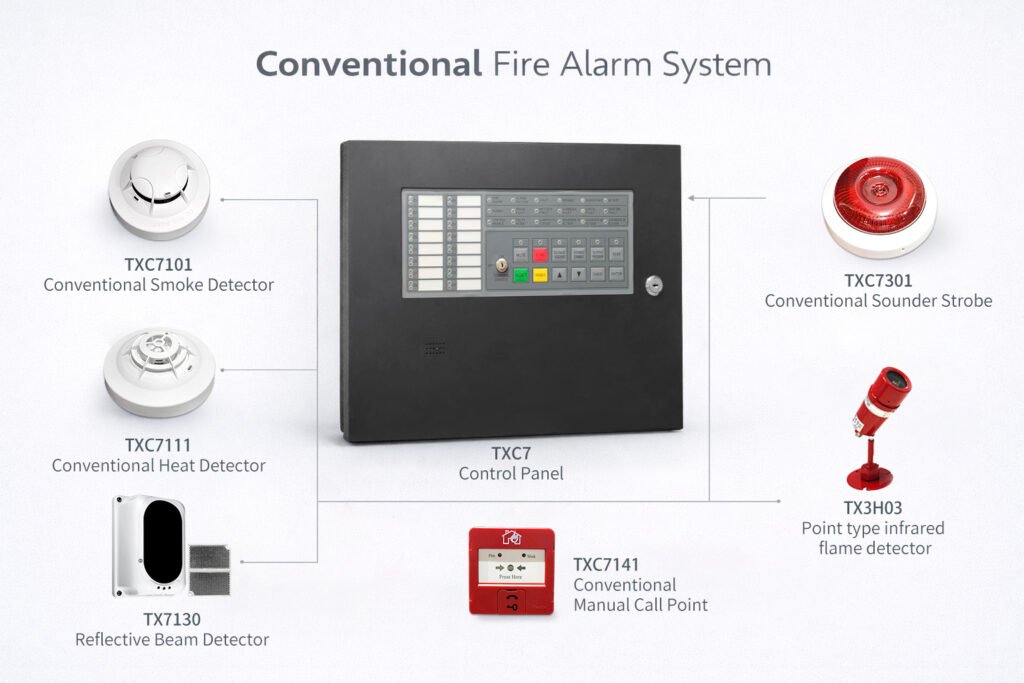
The fire alarm control panel serves as the central unit of a conventional fire alarm system. It monitors connected detection zones, processes alarm and fault signals, and activates the corresponding alarm outputs when a fire event occurs. The TXC7016 Conventional Fire Alarm Control Panel Max 16 Zone supports up to 16 detection zones and is compatible with conventional smoke detectors, heat detectors, and manual call points.
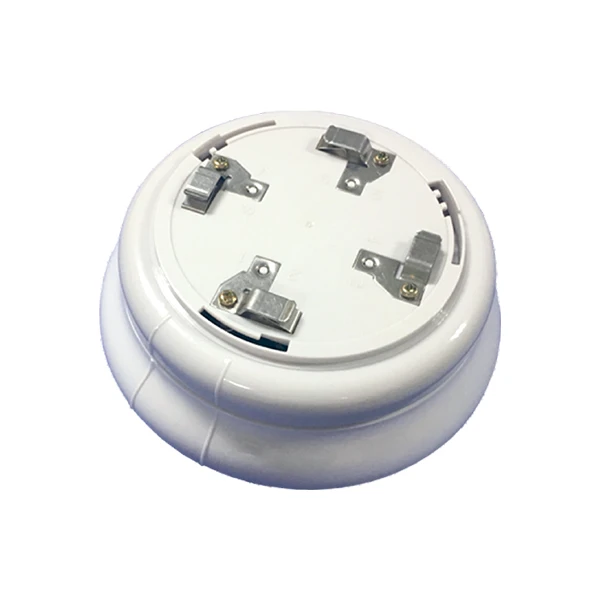
Smoke Detectors and Heat Detectors
Smoke detectors identify smoke particles in the air, while heat detectors respond to changes in ambient temperature. Both detect potential fire conditions and send alarm signals to the fire alarm control panel.
– TXC7101 Conventional Optical Smoke Detector: Uses MCU technology with automatic drift compensation to maintain reliable smoke detection and reduce false alarms caused by environmental changes.
– TXC7111 Conventional Heat Detector: Uses MCU technology to detect ambient temperature changes and respond quickly to potential fire conditions.
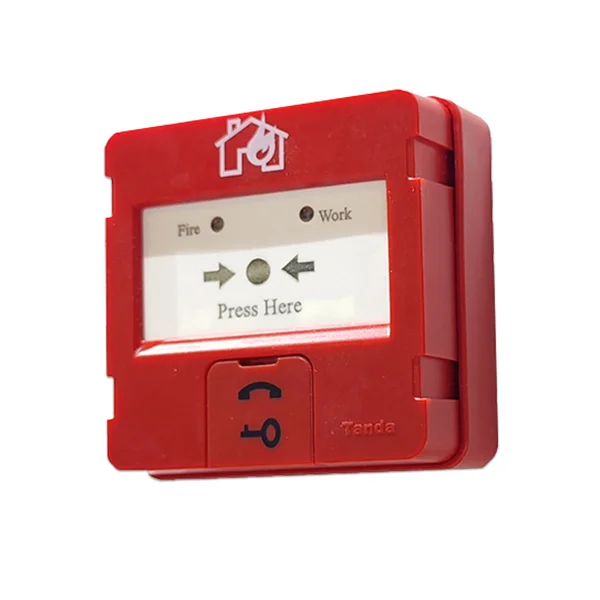
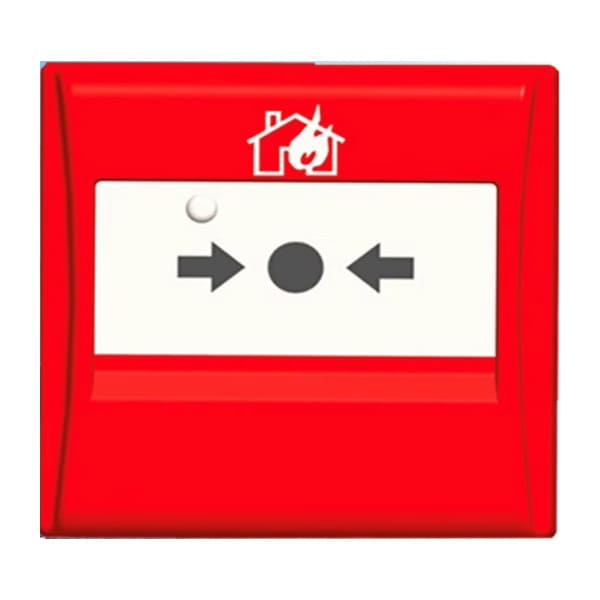
Manual Call Points
Manual call points allow people in the building to manually activate the fire alarm when they discover a fire. Once pressed, they send an alarm signal to the fire alarm control panel, which activates the corresponding zone alarm. The TXC7141 Conventional Manual Call Point features a stable, interference-resistant circuit, manual reset with a special key, and a separate output contact for controlling external equipment.
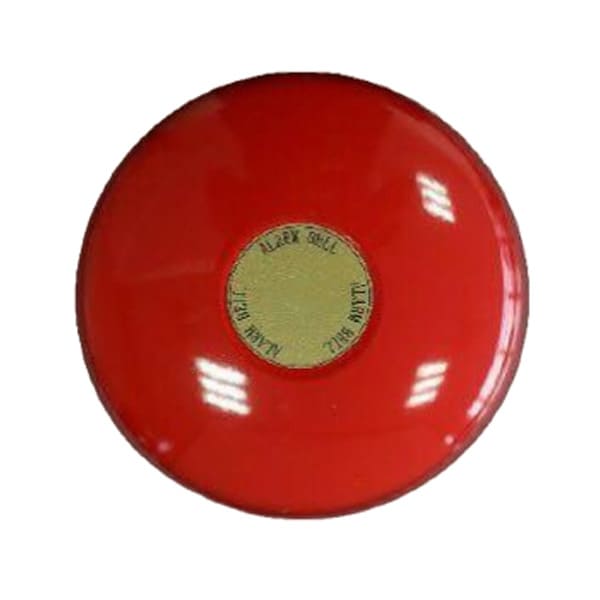
Sounders and Strobes
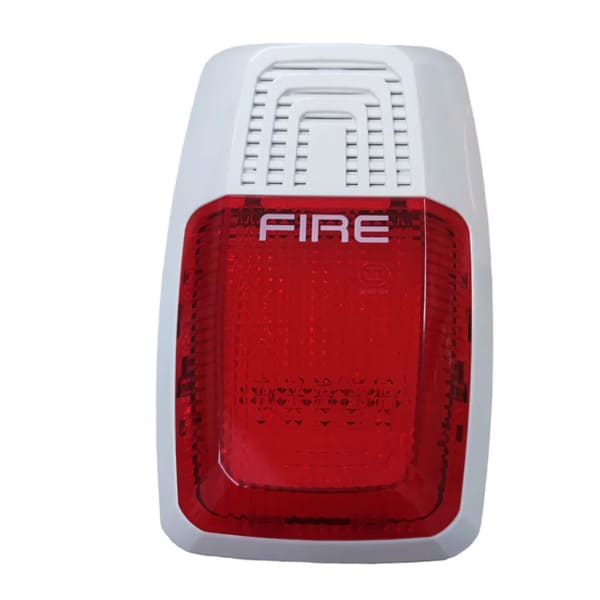
Sounders and strobes provide audible and visual warnings when a fire alarm is triggered, alerting people in the building to potential danger and prompting evacuation. The TXC7301 Conventional Sounder Strobe combines acoustic and visual alarm signals in one device. It features bright LED light sources, low power consumption, and a DC 24V power supply.
Planning a Project? Get Free Preliminary Drawings
Share your floor plan and receive a layout and equipment list for estimating.
What Are Fire Alarm Zones in a Conventional System?
What Is a Fire Alarm Zone?
A fire alarm zone represents a particular section of a building covered by multiple fire detectors and manual call points linked to a common circuit. If any connected device detects a fire or is manually activated, the fire alarm control panel (FACP) displays the corresponding zone, indicating where further investigation is needed.
Unlike an addressable fire alarm system, a conventional system cannot pinpoint the individual device that triggered the alarm. Instead, it uses zone information to narrow down the search area, helping personnel identify potential fire locations and respond more efficiently. This type of fire alarm zoning helps organize detection coverage across different areas of a building.
How Does Zone Identification Work?
Consider a shopping mall divided into the following detection zones:
– Zone 1: Main entrance and lobby
– Zone 2: Retail stores
– Zone 3: Retail stores
– Zone 4: Food court and restaurants
– Zone 5: Storage and utility rooms
If a smoke detector in a retail store in Zone 3 is activated, the fire alarm control panel (FACP) displays Zone 3. Security personnel can then focus their investigation on that retail area rather than checking the entire shopping mall.
This demonstrates how zone identification helps narrow down the potential location of a fire in a conventional fire detection system.

Advantages of a Conventional Fire Detection System
Conventional fire alarm systems generally have lower equipment costs, making them a practical option for small to medium-sized buildings with straightforward fire detection requirements.
With a zone-based design and straightforward wiring connections, conventional systems are relatively easy to install, operate, and maintain.
Dividing a building into separate detection zones helps organize connected devices and allows personnel to quickly identify the general area where an alarm occurs.
By connecting smoke detectors, heat detectors, and manual call points to a centralized control panel, the system provides continuous monitoring and coordinated alarm activation.
Conventional vs. Addressable Fire Alarm Systems
Conventional and addressable fire alarm systems differ mainly in how they identify alarm locations. Conventional systems use zone-based detection, allowing the control panel to identify the affected area, while addressable fire alarm solutions can pinpoint the specific device that triggers an alarm.
Where Are Conventional Fire Alarm Systems Used?
Conventional fire alarm systems are commonly installed in small and medium-sized buildings where basic zone-based fire detection is sufficient. Typical applications include:
Small Commercial Buildings
Offices, small business premises, and other commercial facilities.
Retail Shops
Small stores and local shops requiring basic fire detection and alarm coverage.
Small Residential Buildings
Apartments and residential properties with straightforward fire protection needs.
Conclusion
A conventional fire detection system uses zone-based detection to monitor different areas of a building and provide fire warnings through a centralized control panel. Its straightforward structure and zone-level monitoring make it a practical option for buildings with relatively simple layouts and fire detection requirements.
For small offices, retail shops, and residential buildings, conventional systems can provide suitable fire detection coverage. Understanding how the system works and how its zones are arranged is essential when selecting the right fire alarm solution for a building.
Looking for a Fire Alarm Solution for Your Building
Explore FireMarket’s fire alarm products or contact our team to discuss your project requirements.
FAQs
What Is a Conventional Fire Alarm Panel?
A conventional fire alarm panel is the central control unit of a conventional fire alarm system. It monitors detection zones, receives alarm and fault signals, and activates connected sounders and other alarm outputs when necessary.
What Is the Difference Between Conventional and Addressable Fire Alarm Systems?
A conventional system shows only which zone is in alarm, while an addressable system gives every device a unique address and shows exactly which one triggered. Conventional systems cost less and are simpler, so they suit small buildings. Addressable systems cost more but offer precise location and easier troubleshooting, so they suit larger or more complex buildings.
What Is a Fire Alarm Zone Plan?
A fire alarm zone plan is a diagram showing how a building is divided into fire alarm zones. It identifies the areas covered by each zone, helping personnel understand the system layout and quickly locate the general area where an alarm is triggered.
How Many Zones Does a Conventional Fire Alarm System Have?
The number of zones in a conventional fire alarm system depends on the control panel model and system design. Different panels support different zone capacities. For example, the TXC7016 Conventional Fire Alarm Control Panel supports up to 16 detection zones.
Free Preliminary System Design Drawings
Need a Preliminary System Layout for Your Project?
FireMarket prepares preliminary system layouts to help contractors, distributors and system integrators estimate equipment quantities and plan project budgets.
For preliminary estimating, budgeting and equipment selection only.