A fire alarm system is essential to protecting people and property. But when choosing a system for your building, should you go with a wired or wireless setup? The decision can affect installation costs, reliability, and ongoing maintenance.
In this guide, we’ll look at how the two systems differ, where each one works best, and what to consider before making a choice.
Wired
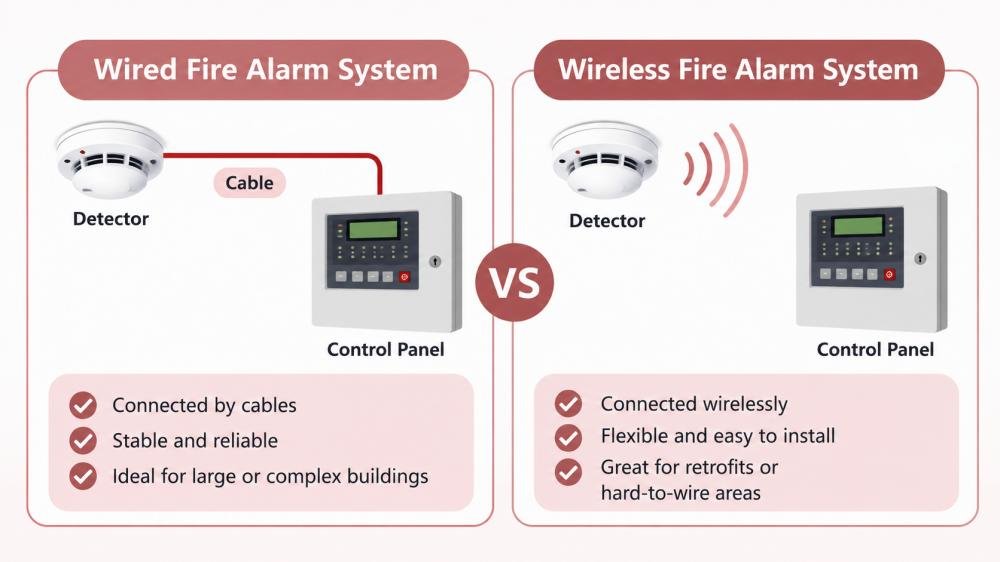
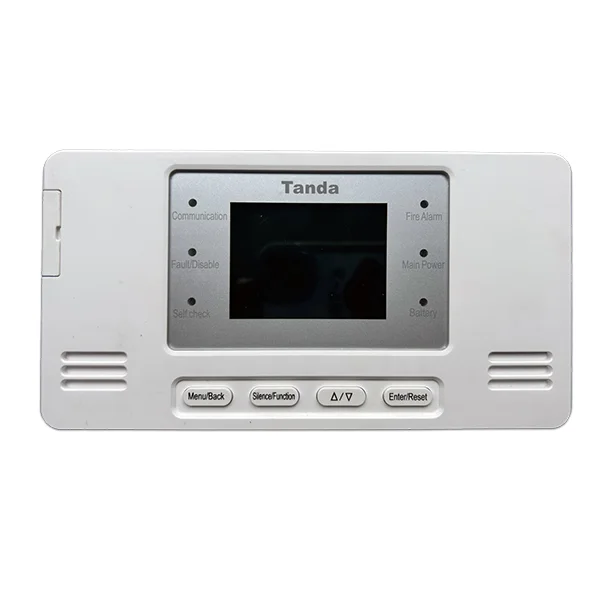
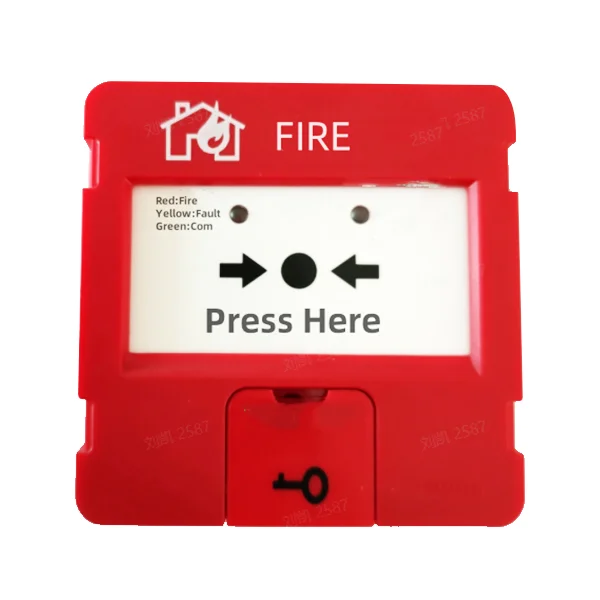
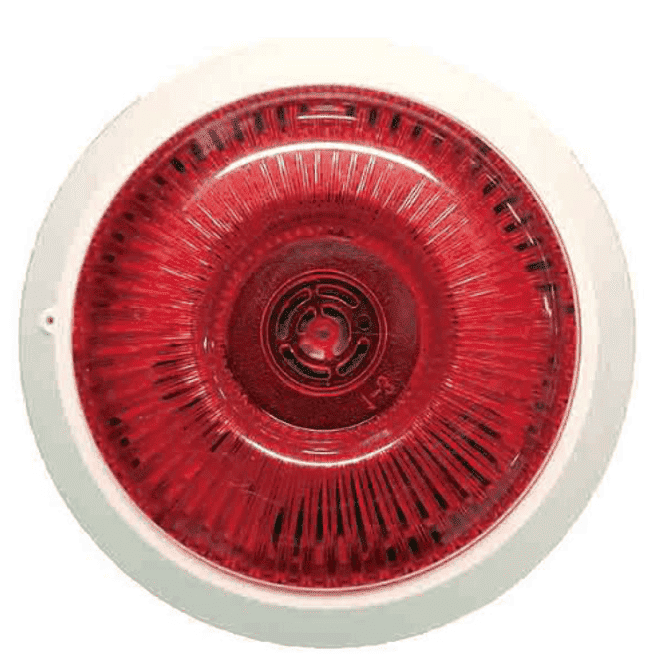
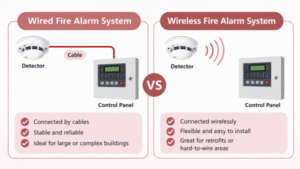
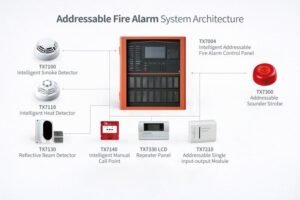
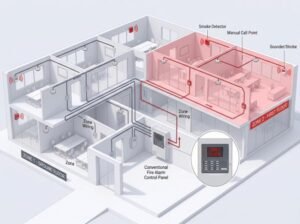
A wired fire alarm system connects detectors, manual call points, and sounders to a central control panel through physical cables. The control panel is typically powered by the building’s main electrical supply, with a backup power supply in case of an outage. When smoke or heat is detected, the signal travels through the wiring to the control panel, initiating the alarm.
Wired systems are commonly used in new construction projects and large commercial buildings, where cable routes can be planned in advance. They can provide a reliable long-term solution, although future modifications may require additional cabling work.
Wireless
A wireless fire alarm system connects detectors, manual call points, and the control panel through radio signals rather than physical cables. When smoke or heat is detected, the system sends a radio signal to the control panel to trigger an alarm.
Since wireless systems require less cabling, they are generally easier to install and offer more flexibility in where devices can be placed. They are particularly useful in existing homes, apartments, and other locations where installing cables would be difficult, disruptive, or time-consuming.
What Is the Difference Between Wired and Wireless Fire Alarm Systems?
Comparison
Wired Fire Alarm Systems
Wireless Fire Alarm Systems
Installation & Wiring
Requires physical cabling through walls, ceilings, and building structures. Installation may take longer and involve more construction work.
Uses radio signals to connect devices, reducing the need for physical cabling and minimizing installation disruption. The system comes with Foslink configuration software for device configuration and linkage programming.
Cost & Labor
Equipment may cost less, but cabling materials and installation labor can increase overall project costs.
Equipment may cost more upfront, but savings on cabling and installation labor can help offset the higher equipment cost.
Maintenance & Reliability
Requires regular inspection of wiring, connections, control panels, and backup power supplies. System performance depends on cable integrity and a stable power supply.
Requires regular inspections of communication status, signal strength, and battery condition. Control panels typically use mains power with backup batteries, which also require regular checks.
Flexibility & Coverage
Device locations are more dependent on fixed cable routes. Relocation or expansion may require additional wiring.
Offers greater flexibility in device placement and expansion, subject to radio signal coverage. Supports up to 16 addressable points per loop, with a communication range of up to 300 meters in open space.
Which Fire Alarm System Is Right for Your Building?
When to Choose a Wired Fire Alarm System
Wired fire alarm systems are often a good choice for projects where cable installation can be planned in advance.
They are commonly used in:
New commercial and residential developments
Buildings undergoing major refurbishment
Large commercial and industrial facilities
Schools, hospitals, and other public buildings
Properties with accessible cable routes and established infrastructure
For these projects, a fixed wiring layout can be incorporated into the building design, making wired systems a practical option for long-term use.
When to Choose a Wireless Fire Alarm System
Wireless fire alarm systems are a good option for buildings where running cables is difficult or would cause too much disruption.
They are commonly used in:
Existing buildings that remain occupied during installation
Older buildings where drilling or running cables is difficult
Homes, apartments, and small commercial premises such as shops
Shared residential properties and converted buildings
Temporary facilities and construction sites
Buildings with limited access for cable installation
The suitability of a wireless fire alarm system for larger buildings depends on control panel capacity, device communication range, and overall system design. Larger projects may require multiple control panels or a hybrid system combining wired and wireless devices.
How to Choose the Right Fire Alarm System for Your Project?
The choice between wired and wireless systems depends on the building itself, the project requirements, and applicable fire safety regulations. Before making a decision, consider the following factors:
1
Building Type and Layout
Consider the building's size, structure, usage, and existing infrastructure.
2
Installation Costs
Evaluate equipment expenses, cabling requirements, installation labor, and potential construction work.
3
Maintenance Requirements
Consider inspection schedules, backup power requirements, battery replacement, and ongoing maintenance support.
4
System Compatibility
Check whether the selected system can integrate with existing fire safety equipment and building infrastructure.
5
Local Regulations
Ensure the system design, equipment, and installation comply with applicable fire safety standards and local requirements.
Is a Wireless Fire Alarm System More Expensive Than a Wired One?
Wireless fire alarm devices may have a higher initial equipment cost than comparable wired devices. However, wireless systems can reduce cabling, installation labor, and building disruption. The overall cost depends on the building layout, number of devices, installation conditions, and maintenance requirements. It is best to compare the total project cost rather than equipment prices alone.
Can a Wireless Fire Alarm System Work Reliably in a Large Building?
Yes, a wireless fire alarm system can be used in large buildings if it is properly designed for the site’s layout and communication requirements. Device placement, radio signal coverage, building materials, and potential interference should all be considered. A professional radio signal survey can help identify coverage limitations and determine whether additional equipment or a hybrid design is needed.
What Should I Do If a Wireless Fire Alarm Device Loses Its Signal?
First, check the device and control panel for fault or communication-loss indications. Signal obstruction, interference, low battery levels, or device malfunctions may cause communication issues. A qualified technician should inspect the system, identify the cause, and restore communication to ensure reliable operation.